Reviewing the Firefighter T-shirt Design SVG Bundle
As a designer who has spent countless hours digitizing and stitching out various motifs, I approach every new machine embroidery design with a critical eye. It is not just about whether the image looks good on a screen; it is about how it translates to thread, how it behaves on fabric, and whether it holds up in the hands of a customer. Recently, I evaluated the Firefighter T-shirt Design SVG Bundle to determine its viability for real-world projects. This assessment focuses on practical application for embroidery designers, small business owners, and crafters who need reliable assets for their shops.
First Impressions and Visual Personality
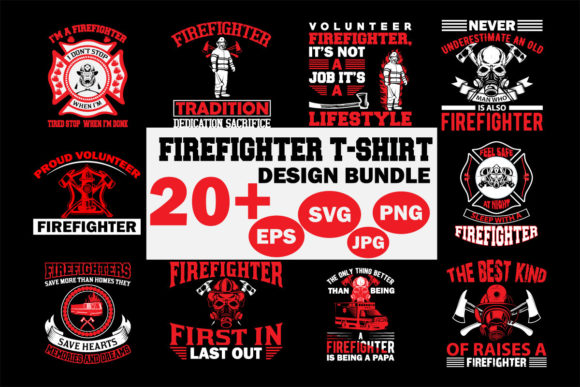
The first thing that strikes you about this bundle is its bold thematic presence. Firefighter imagery carries a weight of respect and bravery, which immediately sets a specific mood for any project. The layout appears clean and structured, avoiding unnecessary clutter that often plagues lower-quality graphics. For an embroidery project, this clarity is essential. Complex, messy lines can lead to thread breaks and puckering, but a well-defined shape allows for smoother stitching.
The visual personality here is professional yet accessible. It does not rely on overly intricate details that might get lost in translation when converted from a digital file to physical thread. Instead, it offers strong silhouettes and recognizable symbols. This makes it versatile for various audiences, from parents looking for personalized gifts for their children’s heroes to boutique owners creating branded merchandise for local fire stations.
Real-World Application: The Custom Sweatshirt Test
To truly understand the value of these T-Shirt Designs, I imagined a common scenario for many Etsy sellers: preparing a custom embroidered sweatshirt for a client. The goal was to create a durable, high-quality gift that would withstand frequent washing while maintaining its aesthetic appeal. In this context, the Firefighter T-shirt Design SVG Bundle serves as more than just a graphic; it becomes the centerpiece of a handmade product.
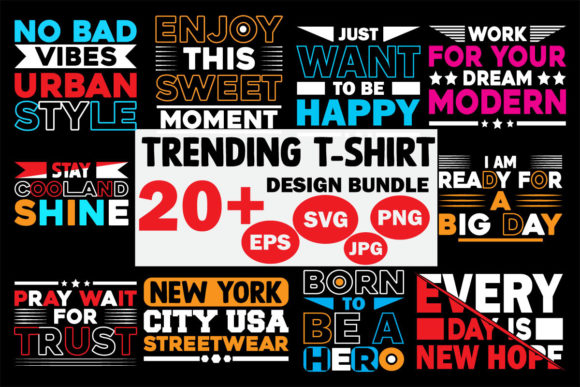
When planning such a project, the scale of the design matters immensely. A large back print requires different considerations than a small chest logo. The formats provided—EPS, SVG, and PNG—offer flexibility. The SVG file is particularly useful for resizing without losing quality before digitizing or printing. However, for embroidery, one must consider how the design’s shapes translate into stitch types. Bold areas might benefit from a fill stitch to provide coverage, while outlines could use a satin stitch for definition. The simplicity of the design suggests it would handle well on thicker fabrics like fleece or cotton blends commonly used in sweatshirts.
Navigating Fabric and Hoop Constraints
While the design is robust, there are areas where caution is necessary. Embroidery is unforgiving on certain materials. If you plan to use this design on stretchy fabrics or thin materials, proper stabilization is non-negotiable. A stabilizer that matches the fabric weight will prevent distortion. Additionally, curved surfaces like caps present a challenge. The design’s width must fit within your hoop size constraints. If the motif is too wide, it may require splitting or scaling down, which could affect the readability of smaller elements.
Textured fabrics also pose a risk. If the fabric has a deep pile, fine details might disappear. In such cases, testing the design on scrap fabric is crucial. Check the thread colors against the background. High contrast ensures visibility, especially for a theme like firefighting where reds, yellows, and blacks are dominant. If using dark fabric, ensure your digitizing software accounts for underlay stitches to prevent the fabric color from showing through the top threads.
Commercial Viability and Customer Trust
For commercial embroidery and small shop products, consistency is key. Customers expect a certain level of professionalism. A clean, well-executed design builds trust. The Firefighter T-shirt Design SVG Bundle supports this by offering a polished look that enhances brand consistency. Whether used for tote bags, aprons, or pillow covers, the design maintains its integrity. This reliability is vital for Etsy sellers and craft business owners who rely on repeat customers and positive reviews.
Moreover, the versatility of the bundle extends beyond apparel. It can be adapted for home decor items like kitchen towels or nursery decor, appealing to a broader market. Holiday embroidery projects, such as gifts for Father’s Day or Christmas, also benefit from such thematic designs. The ability to create a personalized gift that feels thoughtful and high-quality adds significant value to the finished product.
Technical Considerations for Designers
Before committing to a full production run, several technical steps are advisable. First, verify the license terms. While the product description mentions usage for creating products like sublimation t-shirts, mugs, and bags, it is essential to confirm if the license covers commercial embroidery sales. Always check the specific permissions for digital embroidery files versus physical goods.
Next, inspect the stitch density if you are digitizing the SVG yourself. High density can lead to stiff patches and fabric pull, while low density might look sparse. Balance is crucial. Also, consider the smallest details. Tiny lettering or intricate corners can cause thread bunching. Simplifying these areas or increasing their size slightly can improve the final outcome. Testing the design in black and white mockups helps identify contrast issues before threading the machine.
Final Verdict on the Graphics
The Firefighter T-shirt Design SVG Bundle stands out as a practical asset for creators. It bridges the gap between digital convenience and tactile quality. For those involved in custom apparel, embroidered patches, or boutique branding, this bundle offers a solid foundation. The inclusion of multiple formats ensures compatibility with various workflows, whether you are printing for sublimation or digitizing for embroidery.
However, success depends on the maker’s skill in adapting the design to the medium. Understanding fabric texture, choosing the right stabilizer, and respecting hoop limitations are all part of the process. When executed with care, this design can elevate a simple item into a cherished keepsake. For hobbyists and professional designers alike, it represents a worthwhile addition to their library of design assets, provided they approach each project with the necessary technical diligence.
In conclusion, while the bundle provides excellent raw material in the form of EPS, SVG, and PNG files, the true value emerges in the execution. By treating each piece as a unique embroidery project rather than a generic graphic, creators can maximize its potential. Whether for a baby embroidery item or a rugged work apron, the design’s strength lies in its adaptability and clear visual communication. Always test, always stabilize, and always keep the end-user’s experience in mind.