Reviewing the T Shirt Mockup for Real Embroidery Projects
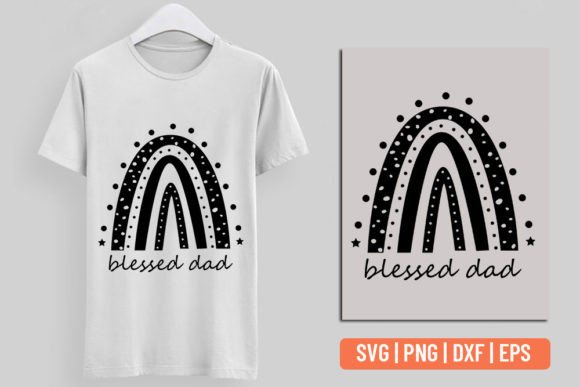
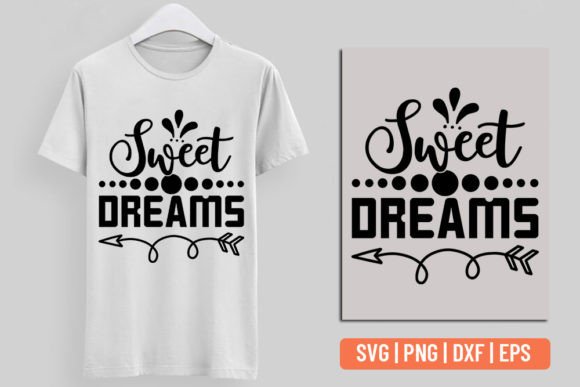
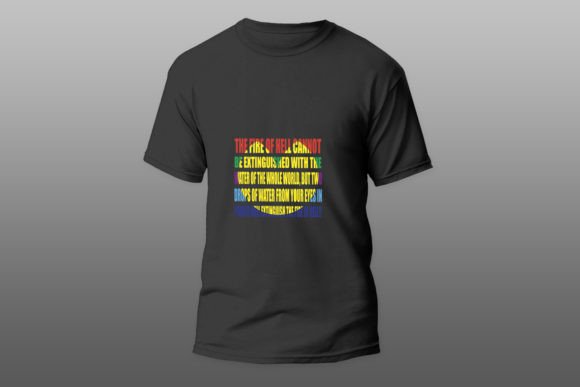
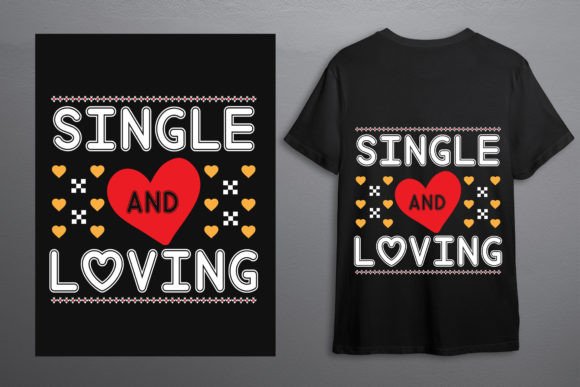
As a designer who has spent countless hours digitizing patterns and watching needles punch through fabric, I have learned that not every graphic translates well into thread. When I first encountered this T Shirt, Shirt, T Shirt Mockup, T Shirt asset, my immediate reaction was one of cautious curiosity. In the world of T-Shirt Designs and digital Graphics, it is easy to get lost in high-resolution previews that look stunning on a screen but fail miserably under the presser foot of an embroidery machine. This review is not just about aesthetics; it is about practical application for those of us running small shops, selling on Etsy, or creating personalized gifts for clients.
First Impressions: Visual Personality and Mood
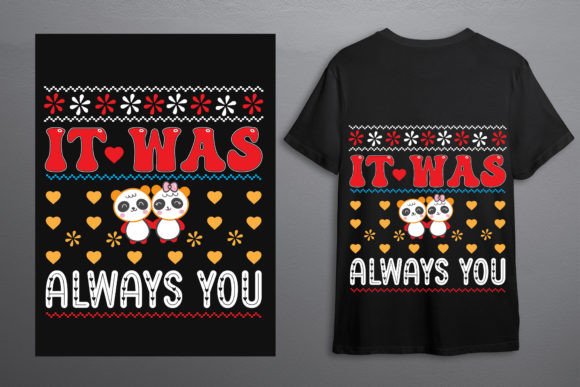
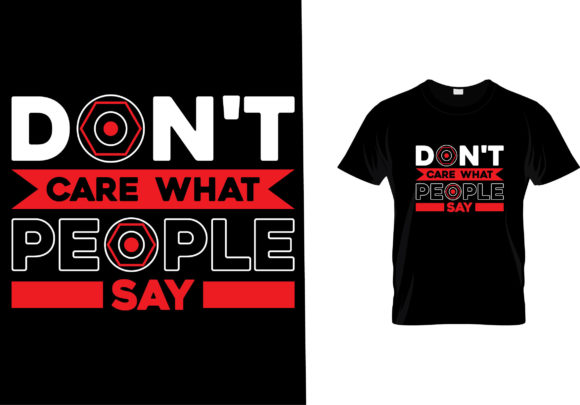
The initial appeal of this design lies in its versatility. The layout suggests a clean, modern aesthetic that avoids unnecessary clutter. For an embroidery designer, this is crucial. Overly complex backgrounds or tiny, intricate details often result in thread breaks, bird nests, or a muddy final appearance. The mood here is professional yet approachable, making it suitable for a wide range of custom apparel projects. Whether you are aiming for a boutique brand look or a casual handmade vibe, the visual personality of this mockup allows for flexibility. It does not scream for attention with chaotic elements; instead, it offers a structured foundation that can be adapted through thread choice and fabric selection.
Real-World Application: From Screen to Stitch
To truly evaluate a design, you must imagine it in a real-life scenario. Let’s say you are preparing a custom order for a local coffee shop owner who wants branded tote bag designs for their staff. You need something that looks crisp on canvas but does not add excessive weight to the bag. This is where the T Shirt, Shirt, T Shirt Mockup, T Shirt asset comes into play. Because the source files include EPS and SVG formats, you have the ability to manipulate the vector paths before converting them into an embroidery file. This control is vital for ensuring that curves remain smooth and corners stay sharp after stitching.
Consider another scenario: sweatshirt embroidery for a family reunion. The thick, textured nature of fleece requires a design that can hold its own against the pile of the fabric. A wispy, low-density design might get lost, but a well-balanced graphic like this one can be adjusted with appropriate fill stitch density to ensure visibility. The high-resolution PNG (4500×5400) provided in the package is excellent for creating printable mockup previews for your online store, allowing customers to visualize the finished product before they buy. This builds trust and reduces the likelihood of returns due to mismatched expectations.
Navigating Technical Challenges and Fabric Constraints
While the design is versatile, it is not without its limitations. Experienced crafters know that certain fabrics demand specific adjustments. If you are working with stretchy fabric like jersey knits for t-shirts, you must be mindful of how the design interacts with the material's give. Without proper stabilization, even the best machine embroidery design can pucker or distort. I recommend using a cut-away stabilizer for garments that will be washed frequently, as this provides long-term support for the stitches.
Another critical consideration is hoop size. If you plan to use this design on smaller items, such as baby embroidery projects or caps, you may need to scale it down. However, scaling down introduces risks. Tiny lettering or fine lines can become illegible if reduced too much. Always check the smallest details in your digitizing software. If the design includes thin running stitch outlines, ensure they are thick enough to be seen on the final product. On dark fabrics, you might need to add an underlay or choose high-contrast thread colors to make the design pop. Testing on scrap fabric is non-negotiable here; it saves you from ruining expensive client garments.
Enhancing Product Value and Brand Consistency
For Etsy sellers and craft business owners, the quality of your design directly impacts perceived value. A sloppy embroidery job can undermine even the best marketing efforts. Using a well-structured asset like this T Shirt, Shirt, T Shirt Mockup, T Shirt helps maintain professionalism. When customers see clean lines and consistent stitching, they associate that quality with your brand. This is particularly important for commercial embroidery projects where repeat orders are common. Consistency in your design assets ensures that every personalized gift or small shop product meets the same high standard.
Moreover, the inclusion of multiple file formats adds significant value. The EPS and SVG files allow for infinite scalability without loss of quality, which is essential if you want to adapt the design for different products, such as embroidered patches or large pillow covers. The PNG file is ready for sublimation or direct-to-garment printing, expanding your product line beyond just embroidery. This versatility means you can offer a cohesive collection across various mediums, strengthening your brand identity.
Practical Notes for the Embroidery Designer
Before you commit to production, there are several steps you should take to ensure success. First, verify the license terms. While the description mentions usage for creating products like sublimation t-shirts and mugs, always confirm whether commercial rights are included for selling finished physical goods versus digital redistribution. Second, inspect the stitch density if you are converting the vector yourself. Too dense, and the fabric will stiffen; too sparse, and the backing will show through. Aim for a balance that suits the fabric texture you are using.
- Test on scraps: Always run a test stitch-out on the actual fabric you plan to use. This reveals issues with tension, density, and color contrast.
- Check contrast: View your design in black and white to ensure the shapes are distinct and readable without relying on color differences.
- Stabilizer selection: Match your stabilizer to the fabric weight. Lightweight fabrics need tear-away or cut-away support, while stable canvases might only need a light topping.
- Detail inspection: Zoom in on the vector files to check for open paths or overlapping nodes that could cause errors during digitization.
Final Verdict: A Reliable Asset for Makers
In conclusion, the T Shirt, Shirt, T Shirt Mockup, T Shirt design is a solid addition to any designer’s library. It bridges the gap between digital convenience and tactile craftsmanship. For holiday embroidery gifts, apron customization, or everyday custom apparel, it offers a reliable base that respects the limitations of the embroidery process. By approaching this asset with a critical eye and adhering to best practices in digitization and stabilization, you can create handmade products that delight customers and stand the test of time. It is not just a graphic; it is a tool for building a reputable, creative business.