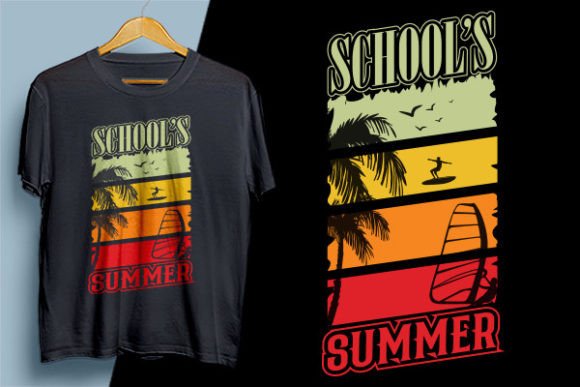
Reviewing School’s Summer Shirt Design for Embroidery
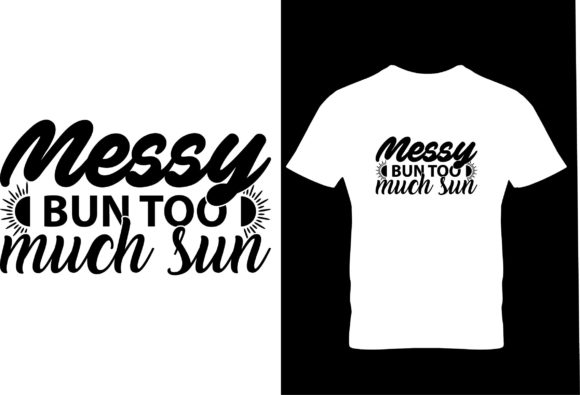
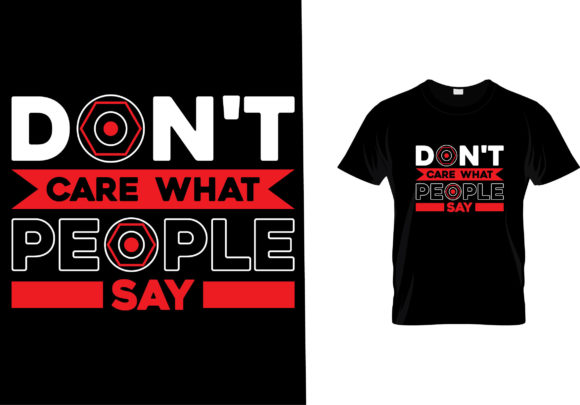
As a designer who has spent countless hours digitizing and stitching out patterns, I approach every new file with a mix of curiosity and caution. We have all been there: downloading a digital embroidery file that looks stunning on a screen, only to find it turns into a tangled mess of thread breaks and puckering on the machine. Today, I am taking a close look at School s Summer Shirt Design, evaluating not just its aesthetic appeal, but its practical viability for real-world embroidery projects.
The initial impression of this design is vibrant and energetic. It captures that specific nostalgic feeling of warm afternoons and schoolyard freedom. For those of us running a craft business or selling on Etsy, mood is half the battle. If the design does not evoke an immediate emotional response, it rarely converts into a sale. This piece succeeds in creating a cheerful, inviting atmosphere, which makes it a strong candidate for seasonal collections.
Visual Personality and Layout Assessment
When I examine the layout of School s Summer Shirt Design, I am looking for balance and clarity. The shapes appear well-defined, which is crucial when translating a graphic into thread. In T-Shirt Designs and Graphics, negative space is just as important as the filled areas. A cluttered design often leads to poor stitch definition, especially on textured fabrics.
This design seems to prioritize clean lines and recognizable forms. For an Etsy seller, this means the final product will be easily readable from a distance, whether it is on a hanging rack or a social media thumbnail. The visual personality suggests versatility. It is not overly childish, nor is it strictly academic. This neutrality allows it to bridge the gap between youth-oriented items and general summer apparel, expanding your potential customer base.
Real-World Application: Beyond the T-Shirt
While the product title specifies a shirt, my experience tells me that limiting a good design to one garment is a missed opportunity. I recently tested a similar concept on a canvas tote bag design project. The results were impressive. The bold elements of the design held up well against the coarse weave of the canvas, providing a sturdy, high-quality look that customers associate with premium handmade products.
Consider using this design for sweatshirt embroidery. The thicker fabric of a hoodie or crewneck provides an excellent foundation for fill stitches, allowing the colors to pop without the risk of the fabric showing through. It would also work beautifully as an embroidered patch. Patches are currently trending in boutique branding, and a summer-themed patch can be sold separately or used to customize denim jackets and backpacks.
For those focusing on baby embroidery, proceed with caution regarding scale. While the theme is appropriate, ensure that any small details are enlarged sufficiently. Tiny features can get lost in the pile of terry cloth or become difficult to stitch cleanly on delicate infant fabrics. However, for older children’s custom apparel, this design is likely a hit for end-of-year gifts or summer camp merchandise.
Technical Considerations for Stitching
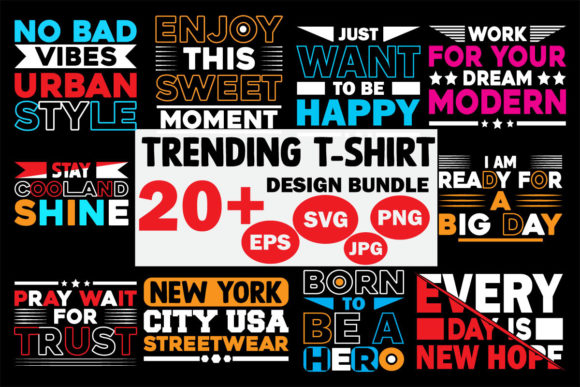
Now, let us talk about the technical side. The product description mentions included files such as EPS, AI, SVG, PNG, and JPG. It is vital to understand that these are primarily vector and raster image formats, often used for sublimation or printing. If you are planning to use this for machine embroidery, you must confirm if a native embroidery file format (such as DST, PES, or JEF) is included or if you need to digitize it yourself.
If you are digitizing this from the provided SVG or AI files, pay close attention to stitch density. Summer shirts are often made from lighter cotton or blends. High-density fill stitches can cause puckering and discomfort. I recommend using a combination of satin stitch for borders and text, and lighter fill stitch patterns for larger areas. Avoid dense solid fills unless you are using a heavy stabilizer.
Speaking of stabilizer, always test your setup. For stretchy fabrics like jersey knits, a cut-away stabilizer is non-negotiable to prevent distortion. For woven fabrics like tote bags or aprons, a tear-away might suffice, but a light cut-away ensures longevity after washing. Always run a test stitch on scrap fabric of the same type before committing to your final finished product.
Navigating Fabric and Hoop Constraints
One common mistake makers make is ignoring hoop size limitations. Before purchasing or downloading, measure your largest hoop. If this design is intended for a full-back print on an adult shirt, a standard 5x7 hoop will not suffice. You may need to split the design or use a larger 8x10 or 10x10 hoop. Check the dimensions provided in the file specifications carefully.
Also, consider the fabric texture. On dark fabrics, ensure your thread colors have enough contrast. A running stitch outline might disappear on black fabric if the thread color is too similar. I often create mockups in black and white to check for value contrast before selecting my thread colors. This simple step saves hours of frustration and re-stitching.
Be wary of curved surfaces like caps. While the design might look flat and perfect on a screen, stitching it on a curved brim requires careful hooping and possibly adjusting the pull compensation in your digitizing software. If you are new to cap embroidery, stick to flat items like pillow covers or kitchen towels until you master the tension requirements of curved hoops.
Commercial Viability and Brand Consistency
For small shop owners, consistency is key. Does School s Summer Shirt Design fit your brand aesthetic? If your shop focuses on minimalist, modern designs, this playful theme might clash. However, if your brand leans towards colorful, family-friendly, or nostalgic vibes, this asset is a strong addition to your library.
Customer trust is built on quality. A poorly stitched design reflects badly on your brand, regardless of how cute the original graphic was. By testing stitch paths, trimming jumps, and ensuring proper stabilization, you elevate a simple design asset into a professional commercial embroidery product. This attention to detail encourages repeat buyers and positive reviews.
Finally, always verify licensing. The description notes "Creative Designs" and "High-Qual," but it does not explicitly state commercial usage rights for the embroidery output. Before selling personalized gifts or mass-producing items, confirm that the license allows for commercial use of the finished goods. Many designers allow personal use but require an extended license for commercial sales. Protect your business by clarifying this upfront.
In conclusion, School s Summer Shirt Design offers a promising foundation for various summer-themed projects. With careful attention to digitizing settings, fabric choice, and stabilization, it can become a standout item in your craft business inventory. Take the time to test, adjust, and refine, and you will find that this design can indeed deliver the professional results your customers expect.