Summer T-shirt Design 4: A Designer’s Practical Review
As an embroidery designer who has spent years digitizing patterns and troubleshooting stitch-outs for small business owners, I approach every new digital embroidery file with a mix of curiosity and caution. We have all been there: you download a design that looks stunning in the preview image, only to find it turns into a tangled mess of thread on your actual fabric. That is why I took a close look at Summer T-shirt Design 4, not just as a graphic asset, but as a functional tool for real-world production.
This piece falls under the category of Print Templates and Graphics, which often implies a flat visual intended for screen printing or digital sublimation. However, many Etsy sellers and craft entrepreneurs attempt to adapt these graphics for machine embroidery. My goal here is to evaluate whether Summer T-shirt Design 4 holds up when translated from a static image into a tactile, stitched reality. I am writing this for the handmade shop owner, the apparel decorator, and the hobbyist who needs to know if this design will sell products or cause headaches.
First Impressions and Visual Personality
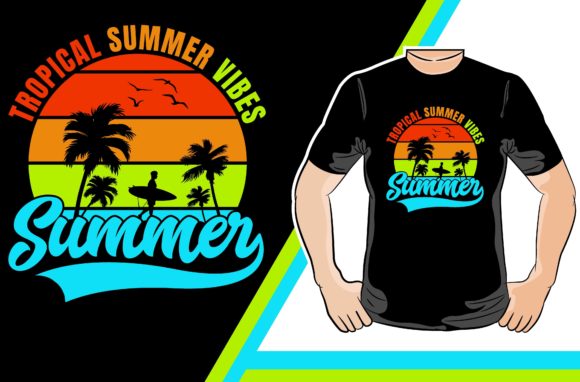
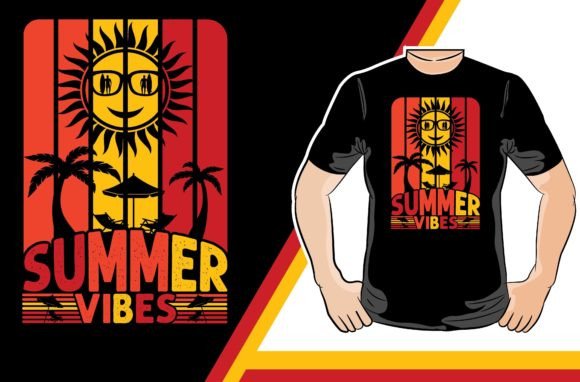
The first thing that strikes me about Summer T-shirt Design 4 is its mood. It captures that effortless, breezy aesthetic we associate with warm weather and outdoor leisure. The layout feels open and uncluttered, which is a critical factor for embroidery. Overly complex designs with tiny details often fail on home machines, but this design appears to have a balanced structure. The shapes are distinct, suggesting that if digitized correctly, the transition between color blocks would be clean.
For a designer, the "visual personality" of a file dictates where it belongs. This design does not scream for heavy, dense fill stitches. Instead, it suggests a lighter touch. It feels appropriate for casual wear rather than formal attire. When I visualize this on a product, I do not see it on a stiff blazer. I see it on soft cotton, lightweight linen, or breathable performance fabrics. It has a friendly, approachable vibe that resonates well with customers looking for personalized gifts or boutique-style merchandise.
Real-World Application: The Tote Bag Test
To truly understand the value of a design, I imagine it in a specific production scenario. Let us say you are preparing a batch of custom embroidered tote bags for a local farmers' market or an online Etsy store. You want a product that is durable, washable, and visually appealing. Summer T-shirt Design 4 fits this use case remarkably well.
Tote bags are typically made from canvas or heavy cotton, which provides a stable base for stitching. If this design were converted into a proper machine embroidery design, it would likely benefit from a combination of satin stitch borders and light fill stitch areas. The key here is managing the stitch density. If the original graphic has large solid areas, a naive digitizer might pack them too tightly, causing the fabric to pucker. However, given the airy nature of the summer theme, I would recommend using an applique design technique for larger sections. This reduces bulk and adds a professional, layered look that customers love.
Beyond tote bags, consider sweatshirt embroidery. A crewneck sweatshirt in a pastel hue could serve as the perfect canvas for this design. The contrast between the soft fleece texture and the crisp lines of the embroidery would create a high-value handmade product. It is also suitable for baby embroidery projects, provided the scale is adjusted. Parents are increasingly seeking unique, non-generic items for their children, and a well-executed summer-themed design on a onesie or bib can be a strong seller during the spring and early summer months.
Navigating Fabric and Hoop Constraints
While the design is versatile, it is not without its challenges. As a reviewer, I must point out where caution is needed. If you plan to use Summer T-shirt Design 4 on stretchy fabric like jersey knits for t-shirts, you must use the correct stabilizer. A cut-away stabilizer is often necessary to prevent the design from distorting after washing. Without it, even the best digitizing cannot save the project from puckering.
Another consideration is hoop size. If the design is large, it may not fit in a standard 4x4 inch hoop. You need to check the dimensions before purchasing. If it requires a 5x7 or larger hoop, ensure your machine can handle it. Furthermore, be wary of using this on dark fabric if the design relies on subtle color gradients. Embroidery thread does not blend like ink; it sits on top of the fabric. If the original graphic has low contrast, you may need to adjust the thread colors to ensure visibility. A bright white or yellow thread on navy blue works, but muted tones might get lost.
Curved surfaces, such as caps or hats, present another hurdle. The design must be simplified for curved areas to avoid distortion. If Summer T-shirt Design 4 has intricate corners or tiny lettering, it may not translate well to a structured cap front. In such cases, I advise simplifying the elements or using a running stitch outline instead of dense fills to keep the profile low and flexible.
Commercial Viability and Brand Consistency
For the Etsy seller or small shop product creator, consistency is key. Does this design fit your brand? If your shop specializes in rustic, vintage aesthetics, this summer design might feel out of place unless adapted. However, for brands focused on modern, clean, and cheerful design assets, it is a strong contender. It enhances customer trust because it looks intentional and polished, not like a clip-art afterthought.
When creating printable mockup previews for your online store, this design offers great flexibility. It looks good on flat lays and lifestyle shots. But remember, the mockup is not the final product. Always stitch a sample on scrap fabric first. Check the finished product for loose threads, jumps, or uneven tension. This step is crucial for maintaining professionalism and reducing returns.
Practical Notes for the Embroiderer
Before you commit to a large production run, keep these practical tips in mind:
- Test on Scrap Fabric: Never stitch directly on your final garment. Use a similar fabric weight and type to test tension and density.
- Check Thread Contrast: Ensure your chosen thread colors stand out against the fabric background. Use black and white mockups to verify value contrast.
- Verify Licensing: The product description mentions buying digital files for yourself, friends, and family. It is vital to confirm if commercial use is allowed. Contact the seller or check the license terms explicitly before selling items made with this design.
- Inspect Small Details: Zoom in on the design file. Are there tiny elements that might break needles or fail to stitch out? Simplify if necessary.
- Stabilizer Selection: Match your stabilizer to your fabric. Tear-away for stable woven fabrics, cut-away for knits and stretchy materials.
In conclusion, Summer T-shirt Design 4 has the potential to be a valuable addition to your library of embroidery project resources. It offers a fresh, seasonal appeal that can drive engagement for holiday embroidery sales or summer collections. However, its success depends entirely on how well it is digitized and executed. Treat it as a starting point, adapt it to your specific machine and fabric constraints, and always prioritize quality control. By doing so, you transform a simple graphic into a profitable, professional-grade custom apparel item that customers will cherish.