HIKING T-SHIRT DESIGN: A Practical Review for Embroidery Pros
As a designer who has spent countless hours digitizing and stitching out thousands of patterns, I approach every new machine embroidery design with a critical eye. It is not just about whether the image looks good on a screen; it is about how it translates to thread, fabric, and ultimately, the hands of a customer. Recently, I evaluated the HIKING T-SHIRT DESIGN, a digital asset categorized under Print Templates and Graphics, to determine its viability for real-world embroidery projects. This review breaks down what you need to know before loading this file into your machine.
First Impressions and Visual Personality
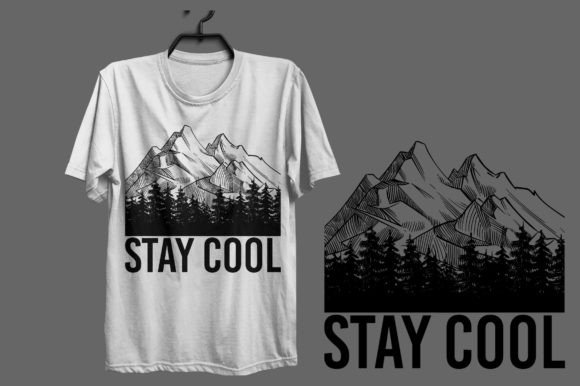
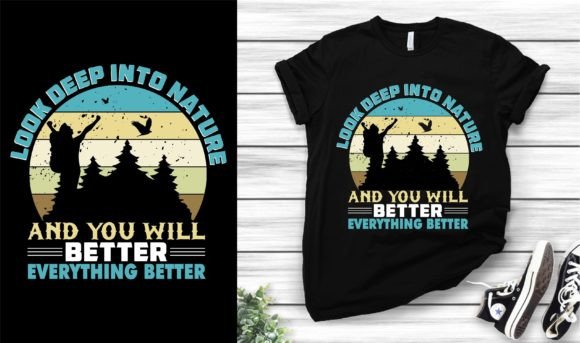
The initial view of the HIKING T-SHIRT DESIGN suggests a rugged, outdoor-inspired aesthetic. For those of us in the craft business, mood is everything. This design evokes a sense of adventure and tranquility, making it an excellent candidate for personalized gifts or boutique branding. The layout appears balanced, with clear thematic elements that suggest movement and nature. When evaluating such design assets, I look for clean lines and logical flow. A cluttered design often leads to stitching issues, but this one maintains a visual personality that feels intentional rather than chaotic.
The shape and detail level are crucial here. If the design relies heavily on tiny, intricate details, it may not hold up well on textured fabrics. However, if it uses bold shapes and strong outlines, it is more likely to succeed across various materials. From a graphic standpoint, the composition seems versatile enough to work as a central chest piece on apparel or a larger statement on home decor items.
Real-World Application Scenarios
To truly test the value of an embroidery file, I imagine it in specific production scenarios. Let us consider a custom order for a local hiking club. They need matching sweatshirt embroidery for their annual retreat. The HIKING T-SHIRT DESIGN would sit prominently on the left chest or back of a heavyweight fleece. In this context, the design’s clarity ensures that the logo remains recognizable from a distance, enhancing group identity and professionalism.
Another practical application is in the realm of custom apparel for retail. Imagine a small shop product line featuring organic cotton tees. Using this design as a focal point can elevate a basic garment into a desirable handmade product. It also translates well to accessories. Picture this motif stitched onto a canvas tote bag design. The durability of the stitch-out combined with the rugged theme makes it a perfect match for shoppers who value both style and utility. For Etsy sellers, offering this as part of a seasonal collection could drive engagement, especially if marketed as part of a broader outdoor lifestyle brand.
Versatility Across Product Types
Beyond apparel, consider the potential for holiday embroidery gifts. A father who loves the outdoors might appreciate a pillow cover or apron featuring this motif. The design’s adaptability allows it to fit into various niches, from nursery decor for adventurous parents to kitchen towels for cabin getaways. As a digital embroidery file, its value lies in this flexibility. However, success depends on how well you adjust the parameters for each specific item.
Technical Considerations and Stitching Performance
When moving from concept to execution, technical factors dictate the quality of the finished product. One must consider stitch density. If the HIKING T-SHIRT DESIGN contains large areas of solid color, it likely utilizes fill stitch techniques. While visually appealing, dense fill stitches can cause puckering on lightweight fabrics. Therefore, pairing this design with a sturdy stabilizer is non-negotiable. For thinner materials, a cut-away stabilizer provides the necessary support to prevent distortion.
Thread choice also plays a pivotal role. To maintain the design’s integrity, high-quality rayon or polyester threads are recommended. The contrast between thread colors and the base fabric must be sharp. If you are stitching on dark fabric, ensure the design includes sufficient light-colored elements or consider using a lighter backing to make the details pop. Conversely, on light fabrics, darker threads will define the shapes more clearly. Always test the design on scrap fabric first to check for thread breaks or tension issues.
Navigating Challenging Surfaces
Not all surfaces are created equal. Applying this design to curved surfaces like caps requires careful hoop selection and possibly a different digitizing approach if the original file was not optimized for hats. Similarly, stretchy fabrics pose a risk. If you plan to use this on athletic wear, ensure the design does not restrict the fabric’s natural give. Small hoop sizes may limit your ability to stitch the full design in one go, requiring precise re-hooping if the pattern exceeds standard dimensions. Always confirm hoop size compatibility before starting a project.
Commercial Viability and Brand Consistency
For commercial embroidery professionals, consistency is key. The HIKING T-SHIRT DESIGN must align with your brand’s aesthetic. If your shop specializes in delicate, feminine styles, this rugged motif might feel out of place. However, for brands focusing on durability, nature, and adventure, it reinforces brand recognition. Customer trust is built on quality; a poorly stitched design can damage your reputation. Therefore, inspecting small details and ensuring clean trim points is essential before presenting the item to a client.
When creating printable mockup previews for your online store, show the design on various backgrounds. This helps buyers visualize the final result. High-quality images of the embroidered item on a model or in a lifestyle setting can significantly boost buyer engagement. Remember, you are selling not just a stitch-out, but an experience.
Final Designer Notes and Licensing
Before integrating the HIKING T-SHIRT DESIGN into your workflow, there are a few final checks to perform. Verify the license terms provided by the creator. Since the product description mentions buying digital files for yourself, friends, or family, clarify if commercial use is permitted if you intend to sell finished items. Never assume; always read the fine print to avoid legal issues.
Additionally, check the file formats included. Ensure your machine can read the specific extension provided. If the design includes applique design elements, prepare the necessary fabric pieces in advance. Test the design in black and white mockups to evaluate contrast without the distraction of color. This simple step can reveal hidden flaws in definition.
In conclusion, the HIKING T-SHIRT DESIGN offers promising potential for makers and small business owners. Its strength lies in its thematic clarity and versatility across various embroidery project types. By paying attention to stabilizer choice, thread quality, and fabric texture, you can transform this digital asset into a high-value physical product. Whether for a personal hobby or a thriving craft business, thoughtful execution is what separates a good design from a great finished piece.