Proud Army Dad Sublimation: A Designer’s Real-World Review
As a designer who has spent years translating digital concepts into thread, I approach every new machine embroidery design with a mix of curiosity and skepticism. We have all been there: staring at a crisp, high-resolution preview on a screen, wondering if that same clarity will survive the journey through the needle and bobbin. Today, I am taking a close look at Proud Army Dad Sublimation. While the title suggests a sublimation focus, my interest lies in how this graphic translates for those of us working in stitch, particularly for custom apparel and personalized gifts.
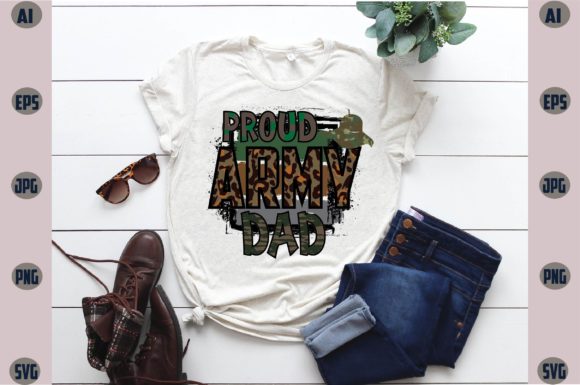
The first impression of Proud Army Dad Sublimation is one of bold, unapologetic pride. The layout features eye-catching graphics paired with a beautiful quote, creating a visual hierarchy that demands attention. For an embroidery professional, this is both a blessing and a challenge. Bold lines translate well to satin stitches, but intricate details can get lost if the stitch density is not managed correctly. When I visualize this design on a finished product, I see it working best on sturdy fabrics where the thread can sit prominently without sinking into the weave.
From Digital File to Stitched Reality
Let’s talk about a real-life scenario. Imagine a customer comes to your small shop requesting a custom gift for Father’s Day. They want something durable, meaningful, and masculine. A heavy cotton canvas tote bag or a structured sweatshirt comes to mind. This is where Proud Army Dad Sublimation shines as a concept. The strong thematic elements resonate deeply with military families, making it an ideal candidate for a holiday embroidery project or a year-round tribute piece.
However, we must address the file types. The product description notes that you receive high-resolution 300 DPI PNG, JPG, SVG, and EPS files with transparent backgrounds. For a pure embroidery workflow, these are primarily reference assets or cutting files rather than direct embroidery files like DST or PES. As a designer, I would use the SVG or EPS to trace and digitize the design specifically for stitching, ensuring that the running stitch outlines and fill stitch areas are optimized for the specific garment. If you are using this as a printed transfer combined with embroidery, the transparency of the PNG is crucial for clean layering.
Navigating Fabric and Hoop Constraints
One of the most critical aspects of evaluating any design is understanding its limitations. Proud Army Dad Sublimation features detailed graphics that require careful placement. If you are working with a standard 5x7 hoop, you may need to scale the design down. Here is where caution is necessary. Reducing the size too much can cause the text to become illegible and the fine lines of the graphics to merge into a solid block of thread. This is especially true on textured fabrics like terry cloth towels or pique polo shirts.
For sweatshirt embroidery, the thick fabric provides a excellent base, but you must use a cut-away stabilizer to support the weight of the stitches. On thinner materials, such as a baby onesie for a baby embroidery project, the design might be too dense. In such cases, I would recommend simplifying the fill areas or converting parts of the graphic into an applique design to reduce bulk and maintain softness against sensitive skin. Always test the design on scrap fabric first. Check how the thread colors contrast against the background. A dark navy thread on a black shirt will vanish, while a bright gold on white might look harsh if the satin stitch width is too wide.
Commercial Viability for Etsy Sellers and Crafters
For Etsy sellers and owners of small craft businesses, the visual appeal of a design directly impacts buyer engagement. Proud Army Dad Sublimation has a strong emotional hook. It is not just a graphic; it is a statement. This increases the perceived value of the handmade product. When listing this item, whether as a finished embroidered patch or a custom tee, high-quality mockups are essential. Since you have access to transparent PNGs, creating printable mockups for your digital storefront is straightforward. Show the design on various items: caps, aprons, pillow covers, and kitchen towels.
However, professionalism is key. Ensure that your stitching is clean. Puckering around the edges of the graphics can detract from the premium feel. Use proper hooping techniques and consider using a topping stabilizer for fuzzy fabrics to keep the stitches crisp. If you are selling this as part of a T-Shirt Designs collection, remember that embroidery adds texture and depth that print cannot match. Highlight this tactile quality in your product descriptions. Buyers love knowing that their custom apparel is crafted with care, not just mass-produced.
Practical Designer Notes for Best Results
Before you commit to a large batch of production, keep these practical tips in mind:
- Check Licensing: The description mentions you get unlimited use, but always confirm the specific license terms for commercial sales. Ensure you are allowed to sell finished physical items made with this design.
- Digitize with Care: Since the provided files are graphic formats (SVG, EPS, PNG), you will likely need to digitize them for embroidery machines. Pay attention to stitch direction. Horizontal stitches on vertical elements can cause distortion.
- Test Thread Contrast: Military themes often use olive drab, navy, black, and tan. Test these combinations on your target fabrics. A monochromatic look can be sophisticated, but ensure there is enough tonal difference for the design to be readable.
- Hoop Size Matters: Verify the dimensions of the graphic. If it is large, you may need a 6x10 or 8x8 hoop. Do not attempt to squeeze a large design into a small hoop by scaling it down excessively, as this compromises stitch integrity.
- Fabric Selection: Avoid stretchy, thin knits unless you are experienced with stabilizing them. Woven cottons, denim, and canvas are safer bets for this type of detailed graphic work.
Final Verdict on Design Utility
In conclusion, Proud Army Dad Sublimation is a potent asset for designers who understand how to bridge the gap between digital graphics and textile art. It is not a plug-and-play embroidery file in its raw state, but rather a high-quality source image that invites creative interpretation. For the experienced maker, this offers flexibility. You can adjust the stitch density, choose your own thread colors, and adapt the layout to fit various products, from rugged tote bag designs to refined home decor.
The emotional resonance of the design, combined with its bold visual structure, makes it a strong contender for your spring and summer catalog. Whether you are creating a personalized gift for a client or stocking your online store with patriotic merchandise, this design holds up under scrutiny. Just remember to respect the technical requirements of embroidery. Treat the graphic as a blueprint, not the final product. With the right digitizing, stabilizer, and fabric choice, Proud Army Dad Sublimation can become a standout piece in your portfolio, reflecting both pride in the subject matter and pride in your craftsmanship.
For those looking to expand their library of design assets, this piece serves as a reminder that versatility often comes from high-resolution source files that allow for custom adaptation. Keep your needles sharp, your tension balanced, and your creativity flowing. The market for meaningful, well-executed embroidery is always growing, and designs like this provide the perfect foundation for building trust and loyalty with your customers.