Reviewing Teacher Read Learn Think Create PNG for Embroidery
As a designer who has spent years translating digital concepts into thread, I approach every new asset with a mix of curiosity and skepticism. We often see files labeled as ready for production, but the gap between a screen preview and a stitched reality can be wide. Recently, I evaluated the Teacher Read Learn Think Create PNG to determine its viability for real-world embroidery projects. While the product description highlights its utility for sublimation and printing with a transparent background at 300 dpi, my focus was strictly on how this graphic translates when subjected to the needle and hoop.
First Impressions and Visual Personality
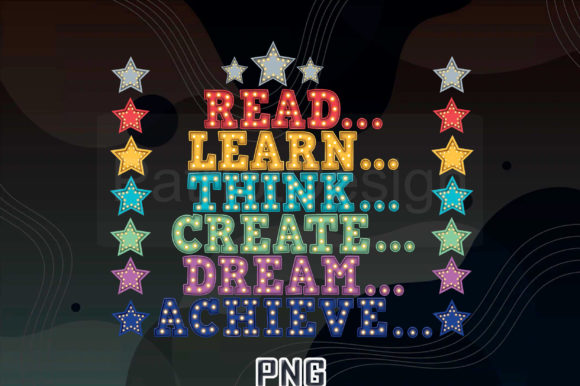
The immediate appeal of this design lies in its thematic clarity. The phrase "Read Learn Think Create" is not just a random assortment of words; it is a mantra that resonates deeply with educators, librarians, and lifelong learners. Visually, the layout suggests a balanced composition, likely featuring varied typography to emphasize each action verb. For an embroidery designer, this typographic hierarchy is crucial. It dictates where we place emphasis through stitch type—perhaps using a bold satin stitch for "Create" and a finer running stitch or lighter fill for the connecting words.
The mood is inspirational yet grounded. It does not scream for attention with chaotic elements but invites a second look. This makes it an ideal candidate for Illustrations that need to feel professional rather than cartoonish. When I first opened the file, I looked for clean edges and distinct separation between elements. Since this is provided as a high-resolution PNG, the clarity is evident on screen, but the true test is how these lines hold up when converted into stitches.
Real-World Application: The Custom Tote Bag Scenario
To truly understand the potential of the Teacher Read Learn Think Create PNG, I imagined a specific client project: a custom tote bag for a local elementary school’s end-of-year teacher appreciation event. The goal was to create a handmade product that felt personal and high-quality, avoiding the cheap look of mass-produced vinyl.
In this scenario, the design would be digitized for embroidery on a heavy canvas tote. The transparency of the PNG allows for easy placement over various fabric colors, which is a significant advantage during the mockup phase. I could quickly visualize how the text would look on natural cotton, navy blue, or forest green fabrics. The resolution of 300 dpi ensures that when I resize the graphic to fit a standard 5x7 or 6x10 hoop, the edges remain crisp, providing a reliable template for digitizing software.
The result would be a sophisticated tote bag design that teachers would actually use. It moves beyond generic apple motifs and speaks to the intellectual core of their profession. This kind of thoughtful personalized gift builds customer trust and enhances the perceived value of the item. For an Etsy seller or small shop owner, offering such a nuanced design can differentiate your brand from competitors selling generic clipart.
Navigating Technical Challenges in Stitching
While the visual concept is strong, executing this design requires careful technical consideration. Since the source file is a graphic intended for printing and sublimation, it is not a native embroidery file like PES or DST. This means the burden of digitization falls on the designer. Here are the critical factors I noted during my evaluation:
- Stitch Density and Detail: The words "Read," "Learn," "Think," and "Create" must be legible. If the font is too thin, it may disappear into the fabric texture. I recommend using a slight underlay and ensuring the stitch density is optimized to prevent puckering, especially on lighter fabrics.
- Fabric Texture and Stability: On textured fabrics like terry cloth towels or knit sweatshirts, fine details can get lost. For a sweatshirt embroidery project, I would suggest increasing the column width of the letters and using a cut-away stabilizer to support the weight of the threads.
- Small Hoop Sizes: If you plan to use this on a cap or a small patch, the design must be resized significantly. At smaller scales, intricate serifs or decorative flourishes may become cluttered. It is essential to simplify the design or choose a bolder font variation if available within the graphic’s style.
- Thread Color Contrast: The transparency of the PNG is helpful here, but always test your thread colors against the fabric. A dark thread on a dark fabric will render the message invisible. High contrast is key for readability.
Strategic Use for Commercial Embroidery
For those running a craft business, versatility is king. The Teacher Read Learn Think Create PNG is not limited to apparel. Consider its application on home decor items like pillow covers or kitchen towels. A set of embroidered tea towels with this quote makes for an excellent holiday embroidery gift or a housewarming present for a teacher.
Furthermore, this design fits well into the niche of commercial embroidery for school bookstores or educational supply shops. By creating a cohesive line of products—aprons, tote bags, and zippered pouches—you establish brand consistency. The inspirational nature of the quote encourages engagement, making it more likely that customers will share photos of their finished product on social media, providing organic marketing for your small shop product.
When creating printable mockups for your online listings, the high-resolution PNG allows you to showcase the design on various backgrounds without needing to stitch every sample physically. This saves time and resources while still giving customers a realistic preview of the final look.
Practical Designer Notes for Best Results
Before committing to a large production run, I always advise a rigorous testing phase. Here is my checklist for working with this type of graphic:
- Digitize with Care: Do not rely on auto-digitizing features alone. Manually adjust stitch angles to follow the flow of the letters and reduce jump stitches.
- Test on Scrap Fabric: Always stitch out a test piece on the exact fabric you intend to use. Check for registration issues and thread breaks.
- Check Licensing: While the product is sold as a graphic, ensure you have the right to use the resulting embroidery designs for commercial sales. Confirm whether the license covers design assets used in physical goods.
- Evaluate Washability: Ensure that the stitch types chosen can withstand frequent washing, especially for items like baby clothes or kitchen linens. Secure all thread ends properly.
- Consider Applique Options: If the design includes larger graphical elements alongside the text, consider an applique design approach to reduce stitch count and add texture.
Final Verdict on Design Value
The Teacher Read Learn Think Create PNG is a robust starting point for meaningful embroidery projects. It bridges the gap between digital convenience and tactile craftsmanship. For the experienced designer, it offers a clear, inspiring message that can be adapted across multiple mediums. For the beginner, it serves as a excellent practice piece for mastering text-based digitization.
Its value lies not just in the pixels, but in the emotional connection it fosters. When stitched with precision and care, it transforms simple fabric into a statement piece. Whether you are creating a custom apparel line for a school or a unique embroidered patch for a local library fundraiser, this design holds up under scrutiny. Just remember that the PNG is the blueprint, but your skill with the machine brings it to life. Treat it with the respect it deserves, and it will elevate your portfolio significantly.