Review: Getting Rowdy Retro Wavy Sublimation SVG for Embroidery
As a designer who spends half my day digitizing and the other half stitching, I have learned to look past the glossy mockups. When I first encountered Getting Rowdy Retro Wavy Sublimation SVG, my initial reaction was cautious optimism. The title suggests a sublimation asset, which is technically a Print Template or Graphics file, not a native machine embroidery design. However, for those of us running small shops or Etsy stores, the line between print-on-demand and stitched goods is often blurred. We need versatile assets that can translate across mediums. This review evaluates how this specific retro-style bridal party quote holds up when we attempt to adapt it for real-world embroidery projects.
The Aesthetic First Impression
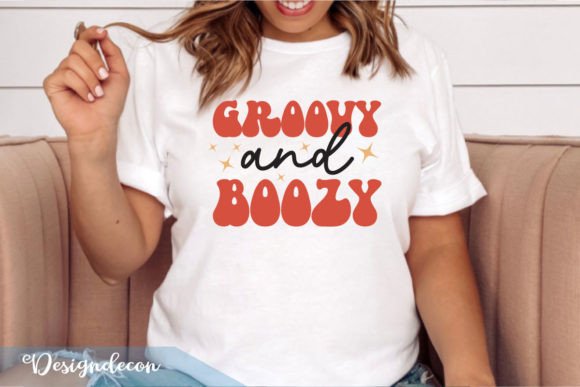
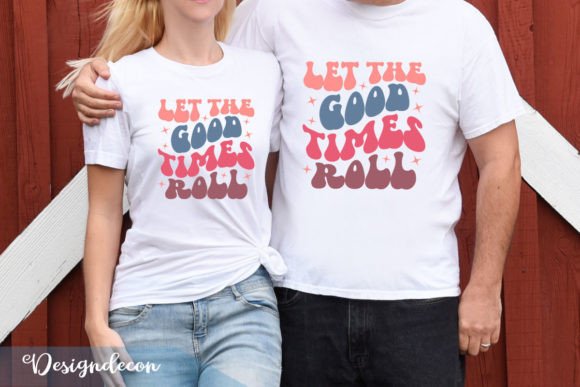
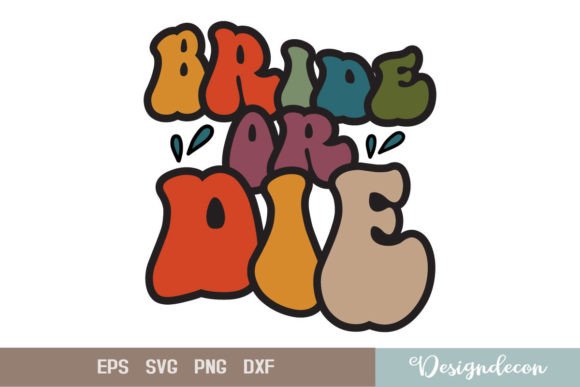
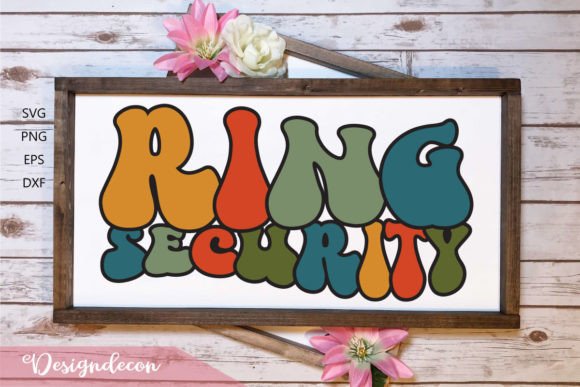
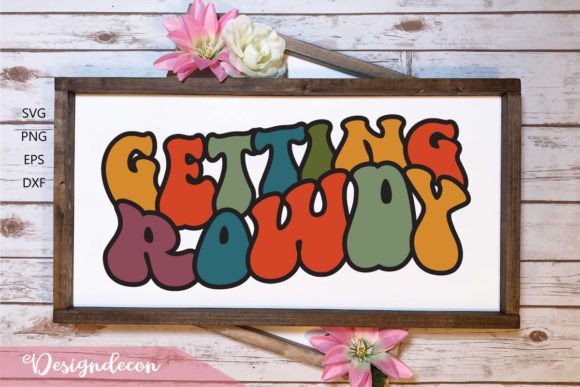
The visual personality of this design is unmistakably bold. The wavy, distorted typography creates a sense of movement and fun, perfectly capturing the "getting rowdy" energy implied by the text. For a bridal party context, it breaks away from the stiff, traditional script fonts that have saturated the market for years. The layout is compact yet expansive, meaning the letters flow into one another, creating a unified shape rather than isolated characters. This is crucial for embroidery because it allows for better continuity in stitching paths.
When I visualize this on a garment, I see it working best as a statement piece. It is not a subtle accent; it is a conversation starter. The retro vibe pairs exceptionally well with current trends in 70s-inspired color palettes—think mustard yellows, burnt oranges, and muted teals. If you are selling handmade products, this aesthetic signals to your customer that you are current, trendy, and understand modern wedding culture.
Translating Vector Graphics to Stitch
Here is the practical reality: Getting Rowdy Retro Wavy Sublimation SVG comes as EPS, SVG, DXF, and PNG files. These are vector and raster graphics, not stitch files like PES or DST. To use this for embroidery, you must digitize it or use auto-digitizing software with extreme caution. Because the design features thick, wavy lines, it is actually quite forgiving for conversion compared to thin, intricate scripts.
In a real-life scenario, imagine preparing a custom embroidered tote bag for a bachelorette party. The canvas fabric of a tote bag is sturdy and can handle higher stitch density. If you convert this SVG into an embroidery file, you would likely use a combination of satin stitches for the outlines and fill stitches for the body of the letters. The "wavy" nature means you must pay attention to the direction of your satin stitches to prevent puckering. If the waves are too wide, a standard satin stitch might become unstable. In such cases, breaking the design into smaller segments or using a tatami fill might be necessary to maintain structural integrity.
Fabric and Hoop Considerations
Not every surface is created equal. While this design screams for a sweatshirt or a heavy cotton tee, you must exercise caution with delicate fabrics. The boldness of the text requires a certain level of visual weight. If you attempt to stitch this on a thin silk bridesmaid robe, the density required to make the letters pop could distort the fabric permanently. Always use a proper stabilizer. For stretchy fabrics like jersey knits found in t-shirts, a cut-away stabilizer is non-negotiable to prevent the design from warping after washing.
Hoop size is another critical factor. This design, with its flowing waves, likely requires a medium to large hoop, such as a 5x7 or 6x10 inch frame. Trying to cram this into a 4x4 hoop would force you to resize it significantly, potentially making the text illegible. Before committing to a final product, always test the design on scrap fabric. Check the stitch density and ensure that the thread colors provide enough contrast against the background. A dark thread on a dark fabric will lose the playful impact of the retro style.
Commercial Viability and Customer Appeal
For Etsy sellers and craft business owners, the versatility of this asset is its strongest selling point. Although it is marketed as a sublimation download, the vector nature (EPS/SVG) allows you to scale it infinitely without losing quality. This makes it an excellent base for creating digital embroidery files that you can sell or use for custom apparel. Customers are increasingly looking for personalized gifts that feel unique. A "Getting Rowdy" design on a cap or an apron stands out in a crowded marketplace.
However, transparency is key. Since mockups are not included, you will need to create your own visuals to showcase the finished product. Use high-quality photos of your actual stitched items. Show the texture of the thread and the drape of the fabric. This builds trust and helps buyers visualize the item in their hands. Remember, while the SVG is easy to resize and color change, the final embroidered result depends entirely on your digitizing skills and machine setup.
Practical Designer Notes
Before you list this as a finished product or use it for a client order, consider these technical checkpoints:
- Digitizing Strategy: Do not rely solely on auto-digitize functions. Manually adjust pull compensation and underlay stitches to ensure the wavy shapes remain crisp.
- Thread Choice: Polyester threads offer durability and sheen, which enhances the retro vibe. Rayon provides a softer look but may not hold up as well in frequent washing.
- Testing: Stitch out a sample on the exact fabric type you plan to use. Check for thread breaks and registration issues, especially where the waves curve sharply.
- Licensing: Verify the license terms for commercial use. While the file is easy to modify, ensure you have the right to sell physical items made with this design.
- Contrast Check: View your design in black and white before stitching. If the details disappear in grayscale, they will likely get lost in the fabric texture.
In conclusion, Getting Rowdy Retro Wavy Sublimation SVG is a vibrant, energetic asset that bridges the gap between graphic design and textile art. While it requires technical translation to become a machine embroidery design, its bold structure makes it a rewarding challenge for experienced designers. Whether you are creating boutique merchandise, holiday gifts, or personalized wedding attire, this design offers a fresh alternative to standard typography. Just remember to respect the material constraints, prioritize proper stabilization, and let the retro spirit shine through your stitching precision.