Fall T-Shirt Design: A Designer’s Review for Embroidery
As a designer who spends more time staring at stitch maps than actual fabric, I have learned to be skeptical of digital assets that promise the world but deliver a tangled mess on the hoop. When I first pulled up Fall,T-Shirt Design,Fall,T-Shirt Design, my initial reaction was one of cautious curiosity. The preview suggested a seasonal warmth, but in the embroidery world, a pretty picture does not always translate to a clean stitch-out. I needed to know if this graphic had the structural integrity to survive the needle, or if it was just another flat image masquerading as a functional machine embroidery design.
First Impressions and Visual Mood
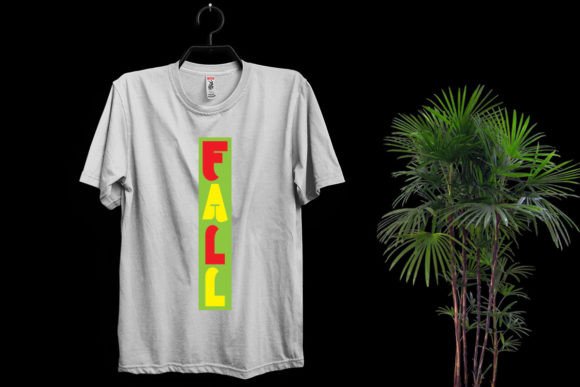
The immediate vibe of this piece is cozy and nostalgic. It captures that specific, crisp feeling of autumn without relying on cliché overload. For those of us running a craft business or managing an Etsy seller storefront, mood is everything. Customers are not just buying a shirt; they are buying a feeling. This design leans into that emotional connection. The layout feels balanced, with enough negative space to let the fabric breathe—a crucial detail often overlooked in rushed T-Shirt Designs.
From a technical standpoint, the transition between shapes suggests a mix of satin stitch borders and fill stitch interiors. This is a good sign. Pure fill stitches can look blocky on small scales, while pure satin can pull too tight on stretchy fabrics. A hybrid approach usually indicates a designer who understands how thread behaves under tension. The visual personality is friendly yet professional, making it suitable for both casual wear and slightly more polished boutique items.
Real-World Application: The Sweatshirt Test
To truly evaluate Fall,T-Shirt Design,Fall,T-Shirt Design, I imagined it on a heavy cotton-blend sweatshirt. This is a common request for custom apparel orders in October and November. On a thick fabric like fleece or French terry, the design needs to stand out without sinking into the pile. The bold lines in this graphic suggest it would hold its own against textured backgrounds.
I also considered its use on a canvas tote bag design. Totes are high-wear items. They get tossed in cars, stuffed with groceries, and washed frequently. A design intended for this purpose must have robust anchoring points. If this file includes proper underlay stitching—which you must verify in the digitized file—it will stay put. If it lacks underlay, the edges might lift after a few washes, damaging your reputation as a maker of quality handmade product items.
Versatility Across Product Lines
Beyond sweatshirts and totes, this graphic shows promise for smaller applications. Think of an embroidered patch sewn onto a denim jacket or a beanie. The compact nature of the central elements means it could scale down reasonably well, provided you check the minimum stitch length. For baby embroidery, such as a onesie or a burp cloth, the softness of the theme fits perfectly. However, you must ensure the stitch density is low enough to prevent puckering on delicate knits. A dense applique design might be too stiff for a newborn’s skin, so a lighter touch with running stitch details would be preferable here.
For holiday embroidery gifts, this design serves as a versatile base. It is not strictly tied to Halloween or Thanksgiving, which extends its shelf life in your shop. You can market it from September through December, maximizing the return on your digital embroidery file purchase. It works well for personalized gift additions, where you might add a name below the main graphic using a complementary font.
Technical Considerations and Pitfalls
While the aesthetic is strong, practical execution requires vigilance. Here is where many designers stumble with Graphics converted for embroidery.
- Fabric Texture: On rough linen or waffle knit, fine details may get lost. Test on scrap fabric first to see if the thread colors blend too much with the background texture.
- Dark Fabric: If you are stitching this on navy or black, ensure the design includes light-colored outlines or uses a white underlay to make the colors pop. Without contrast, the design will look muddy.
- Stretchy Fabric: T-shirts stretch. If the design is large, it may distort when worn. Use a cut-away stabilizer for maximum support, rather than tear-away, to maintain shape over time.
- Small Hoop Sizes: Check the dimensions. If you are trying to fit this into a 4x4 inch hoop for a cap, you may need to resize it. Resizing changes stitch density. Shrinking a design increases density, which can cause needle breaks or thread bunching.
Curved surfaces like caps present another challenge. The center of the design must align perfectly with the cap’s seam to avoid twisting. Always mark your center points clearly before hooping.
Enhancing Brand Value and Customer Trust
Using a well-digitized design like Fall,T-Shirt Design,Fall,T-Shirt Design directly impacts your brand perception. Sloppy stitching signals amateurism, while clean, crisp lines signal professionalism. When customers see a finished product with clear definition and no loose threads, their trust in your small shop product increases. This leads to repeat buyers and positive reviews.
For commercial embroidery clients, consistency is key. If you are producing fifty units for a local business, every item must look identical. A reliable embroidery file minimizes variation. Before committing to a large run, stitch out a sample on the exact fabric you will use for production. Check for color accuracy and alignment. This step saves money and protects your reputation.
Designer Notes for Best Results
- Test First: Never stitch a new design directly on the final garment. Use similar scrap fabric to test tension and density.
- Check Licensing: The description mentions buying files for yourself and special guys, but always confirm if commercial use is allowed if you plan to sell the finished product. Do not assume; read the license terms provided by the seller.
- Mockup Verification: Use printable mockup tools to visualize the design on different colors. This helps in marketing your design assets online before you even stitch a single thread.
- Thread Quality: Use high-quality polyester or rayon thread. Cheap thread breaks easily and fades faster, ruining the look of your embroidery project.
- Stabilizer Choice: Match the stabilizer to the fabric. Heavy fabrics need less support; light, stretchy fabrics need more. Wrong stabilizer choice is the number one cause of poor results.
In conclusion, Fall,T-Shirt Design,Fall,T-Shirt Design offers a solid foundation for autumn-themed projects. Its strength lies in its versatility and emotional appeal. However, its success depends entirely on your technical execution. Treat it as a component of your larger creative process, not a magic solution. With careful attention to fabric, stabilizer, and stitch settings, this design can elevate your custom apparel line and delight your customers. It is a worthy addition to your library of T-Shirt Designs, provided you respect the mechanics of the machine and the material.